
The Invisible Injury: Protecting Your Brain in Sports
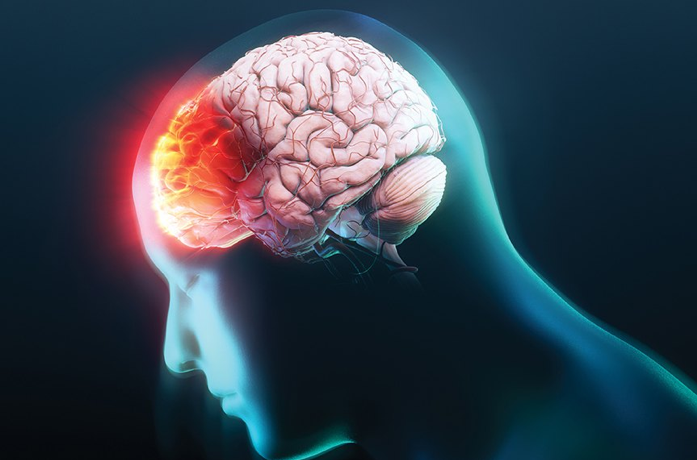
Imagine scoring the game winning goal in the championship game. The crowd cheers, your teammates pile on top of you, and you hoist that trophy up into the air. But later that night, you have a pounding headache that won’t go away. You feel dizzy. The lights seem too bright. You can’t sleep.
It might not just be a bad day. It could be a concussion.
Almost 30 million kids in America play organized sports [1]. Maybe you’re one of them! I was; I started playing field hockey at 6 years old. Being an athlete has always been a big part of who I am. Sports help us build strength, confidence, teamwork, and leadership skills. They bring communities together and can even turn into lifelong passions or careers. But along with these benefits comes risk, even to something we can’t see: the brain.
What is a concussion?
A concussion is a type of traumatic brain injury (TBI). It can happen after a bump to the head or even a hard hit to the body that causes the head to move quickly back and forth. When this happens, the brain shifts inside the skull. This movement can damage your brain cells and chemically change how your brain works [2].
Concussions are often called “invisible injuries” because you usually can’t see them. There’s no cast or bandage, but the symptoms are very real. Someone with a concussion might have headaches, dizziness, nausea, blurry vision, sensitivity to light or noise, trouble concentrating, or sleep problems. Every concussion is different, which makes them tricky to diagnose and treat.
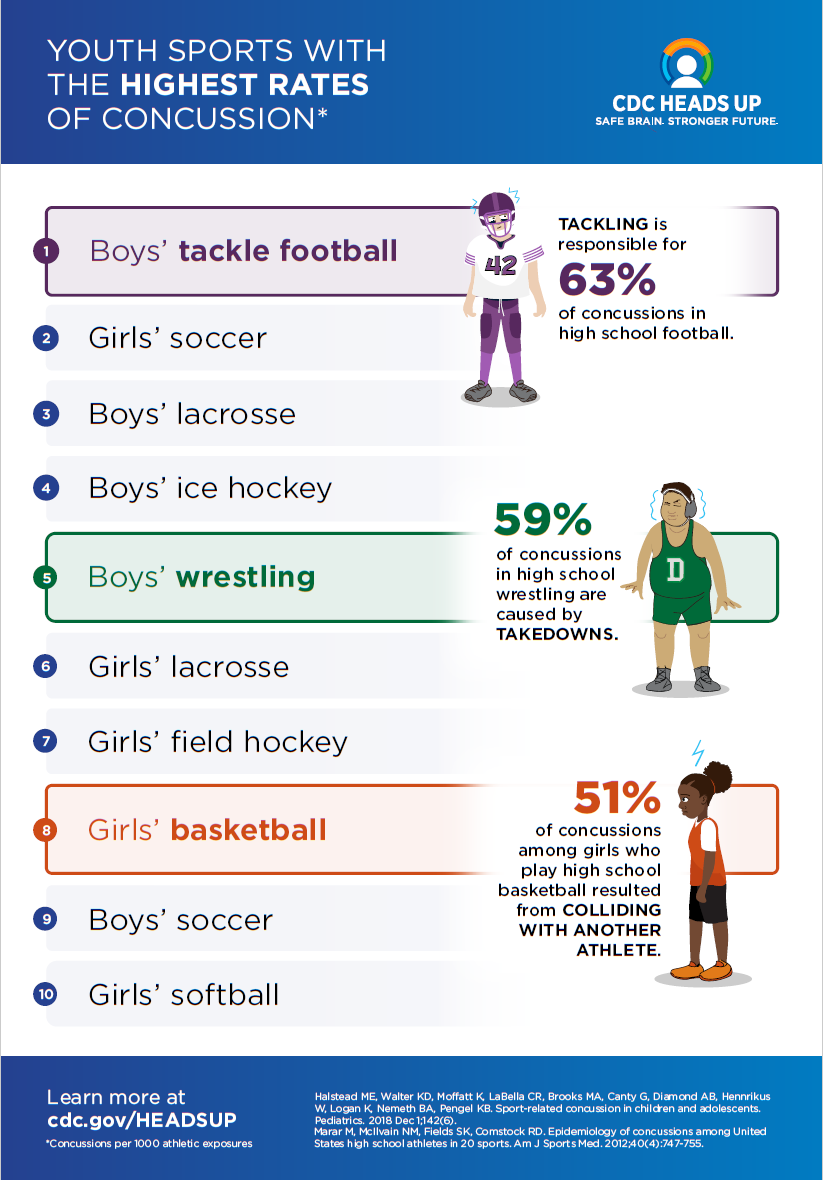
In the United States, about 3.8 million sports-related concussions happen each year. 5-10% of athletes experience a concussion during a single sports season [3]. Contact sports like football, soccer, lacrosse, and hockey have the highest rates [2].
So what can we do?
We don’t have to stop playing sports, but we do need to protect our brains. Here are some important ways to stay safe:
● Wear the right protective equipment, especially helmets when required.
● Learn proper techniques, like safe tackling or checking.
● Tell an adult immediately if you hit your head or feel symptoms.
● See a healthcare professional before returning to play.
Athletes who have a concussion should follow a gradual “return-to-play” plan. This usually includes:
Returning to regular daily activities
Light aerobic exercise
Moderate activity
Heavy non-contact activity
Practice with contact
Full competition
Each step should take at least 24 hours, and you should only move forward if you don’t have worsened symptoms [2].
Just as important is returning to school safely, because the brain needs time to heal for learning too. Tell your teachers about your injury and build a community of people at school who can help you manage your symptoms along with your work.
Sports are amazing. They challenge us, inspire us, and help us grow. They can even help us earn scholarships and build future careers. But no game is more important than your brain. Your athletic career might last years, but your brain has to last a lifetime.
So keep playing. Keep dreaming big. Just remember: protect your brain, it’s the most important piece of equipment you have.
References
1. Project Play (2026). Youth Sports Facts: Participation Rates. Available at: https://projectplay.org/youth-sports/facts/participation-rates (Accessed: February 23, 2026).
2. Centers for Disease Control and Prevention (2026). Data on Sports and Recreation Activities | HEADS UP. Available at: https://www.cdc.gov/heads-up/data/index.html (Accessed: February 23, 2026).
3. Batz, P. (2024). Concussion Rates Across Sports. Athletico. Available at: https://www.athletico.com/2024/11/20/concussion-rates-across-sports/ (Accessed: February 23, 2026).
Brain injury illustration from Barrow Neurological Institute
Infographic from CDC Heads Up
Thumbnail by Ben Hershey on Unsplash
Edited by Emma Hays